* All product/brand names, logos, and trademarks are property of their respective owners.
Custom colored cardboard boxes are a versatile packaging solution for businesses that want to combine product protection with attractive presentation. Available in a wide range of colors, sizes, shapes, and finishes, these boxes help brands create packaging that reflects their identity and appeals to their target customers. From bright retail packaging to elegant gift boxes, custom colored cardboard packaging can be designed for products across many industries.
Color plays an important role in how customers recognize and perceive a brand. A carefully selected packaging color can communicate a product's personality, complement its design, and create a consistent appearance across different product lines. With custom printing and finishing options, businesses can develop colored cardboard boxes that meet both functional and visual requirements.
Custom colored cardboard boxes are packaging containers manufactured from cardboard or paperboard and customized with specific colors according to a brand's requirements. The color may cover the entire outer surface, appear only on the interior, or be incorporated into a printed design.
Businesses can choose solid colors, gradients, patterns, brand-specific shades, or combinations of multiple colors. These boxes are available in various styles, including folding cartons, tuck-end boxes, boxes with separate lids, sleeve boxes, and rigid gift boxes.
The choice of material depends on the product's weight, dimensions, and protection requirements. Lightweight paperboard is suitable for many retail products, while corrugated cardboard offers additional structural support for shipping and handling.
Consistent packaging colors help customers identify products and recognize a business across retail shelves, online stores, and promotional campaigns. Using the same primary and secondary colors across different boxes can create a recognizable brand identity.
Colored packaging can help products stand out in competitive markets. Bright colors may suit playful or youth-oriented products, while muted shades can complement minimalist and premium designs.
Businesses selling several product variations can use different colors to distinguish sizes, flavors, scents, collections, or product categories. This makes product organization easier for retailers and customers.
Custom colors, well-positioned logos, and coordinated graphics give packaging a consistent appearance. A professionally designed box can improve the overall presentation of a product without relying on excessive decoration.
Choosing the right color depends on the product category, audience, and brand identity. Several colors are commonly used across different packaging applications.
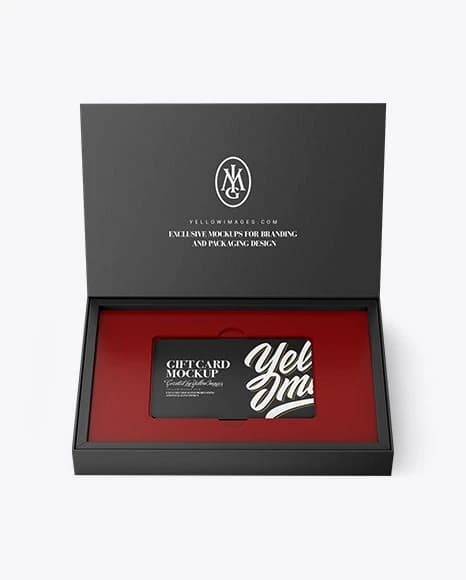
Black cardboard boxes offer a bold, sophisticated appearance. They are popular for cosmetics, jewelry, premium accessories, candles, and gift sets. White printing, metallic foil, or a simple embossed logo can create contrast against a dark surface.
White boxes provide a clean, minimal appearance and work well for skincare, electronics accessories, bakery products, and retail merchandise. They also provide a neutral background for colorful artwork and product information.
Pink packaging is often used for beauty products, gifts, fashion accessories, and lifestyle merchandise. Depending on the shade, it can create a soft, playful, modern, or elegant look.
Blue packaging can be suitable for technology accessories, personal care products, wellness merchandise, and corporate gifts. Light blue often creates a fresh appearance, while darker shades can provide a more formal look.
Red boxes are useful for seasonal promotions, gift packaging, confectionery, and products that need a vibrant visual presence. Red can also be incorporated into brand-specific designs or holiday collections.
Green packaging can complement natural, botanical, garden-related, and wellness products. However, a green color alone does not make packaging environmentally friendly; material composition and recyclability should be considered separately.
Custom printing allows businesses to combine colored surfaces with detailed graphics and branding. Depending on the material and production method, printing can be applied to the outside, inside, or both surfaces of a box.
Popular customization options include company logos, product names, illustrations, patterns, slogans, and product information. Businesses can also use contrasting colors to highlight important design elements.
For accurate brand representation, it is helpful to provide print-ready artwork and specify the desired color references. Final colors can vary depending on the material, ink, coating, and printing process, so reviewing a physical sample may be worthwhile for color-sensitive projects.
Adding a logo to a custom colored cardboard boxes helps connect the packaging with the brand. A logo may be printed directly onto the surface or applied through suitable finishing techniques.
For dark-colored boxes, light-colored logos can provide strong contrast. On white or pastel packaging, a dark logo may offer a clean and readable appearance. Metallic foil can be used for selected premium designs, while embossing or debossing adds a tactile detail.
Businesses should ensure that the logo remains readable at the final print size and that its placement works with the box's folds, seams, and opening mechanism.
Retail packaging must balance visual appeal with everyday practicality. Custom colored cardboard boxes can be created for clothing accessories, stationery, electronics accessories, home décor items, personal care products, and specialty merchandise.
A coordinated color system can help retailers organize different product ranges. For example, a brand might use one color for each product category while keeping its logo and typography consistent.
Boxes should be appropriately sized and easy to open, close, display, and store. If products are fragile or shipped directly to customers, additional inserts or an outer shipping carton may be necessary.
Gift packaging often uses color to communicate the occasion and create an attractive presentation. Custom colored gift boxes are suitable for birthdays, weddings, anniversaries, holiday promotions, corporate gifts, and special events.
Popular choices include red, gold-accented designs, pastel shades, black, white, and seasonal color combinations. Ribbons, printed messages, decorative sleeves, and fitted inserts can further enhance the presentation.
Two-piece boxes with separate lids are suitable for many gift products, while magnetic closure boxes may be preferred for premium gift sets. The appropriate style depends on the contents, budget, and intended customer experience.
The material influences the strength, surface quality, printing results, and cost of colored packaging.
Not every material reproduces colors in the same way. A design intended for a smooth white surface may look different on brown kraft stock, so material selection should be considered alongside color and printing choices.
Finishing techniques can add texture, shine, and visual depth to custom colored boxes.
The best finish depends on the desired look, production budget, and material. Some coatings and laminations may affect recyclability, so businesses should review the complete packaging construction when environmental considerations are important.
Businesses seeking more sustainable packaging can consider cardboard with recycled content or paper materials sourced through responsible supply chains. Choosing the right box size and avoiding unnecessary decorative components can also help reduce material use.
Recyclability depends on the specific cardboard, printing inks, adhesives, coatings, and local recycling infrastructure. Plastic windows and certain laminated finishes may complicate recycling, so packaging requirements should be discussed with the manufacturer before production.
Attractive colored packaging and material-conscious design can work together when the structure and finishing options are selected carefully.
Before placing an order, identify the product dimensions, required quantity, preferred cardboard material, and desired box style. Select your brand colors and prepare the logo, artwork, and any product information that needs to appear on the packaging.
Ask the manufacturer about available printing methods, minimum order quantities, finishing options, production timelines, and shipping arrangements. If exact color matching is important, request a sample or printed proof before approving the full order.
It is also helpful to evaluate the box's strength, assembly process, storage requirements, and suitability for the intended sales channel.
Custom colored cardboard boxes help businesses create distinctive packaging that combines practical functionality with consistent branding. With a wide selection of colors, materials, box styles, printing methods, and finishing options, companies can tailor their packaging to different products and customer expectations.

No bio available yet.
Custom product boxes are an integral part of packaging because they play a key role in shaping the f
10 August 2026
Tea is a common drink that brings comfort to many people. It is enjoyed at home, in offices, and dur
4 August 2026
Silver remains a major investment and industrial metal worldwide, and in 2026, investors, industrial
2 July 2026
Be the first to share your thoughts
No comments yet. Be the first to comment!
Share your thoughts and join the discussion below.