* All product/brand names, logos, and trademarks are property of their respective owners.
If you enjoy coffee but want to explore something beyond a traditional cup of joe, functional mushroom coffee is worth understanding. These blends combine coffee with functional mushrooms such as lion’s mane, chaga, cordyceps, or reishi. In the United States, they have become increasingly popular among people looking for convenient ways to add functional mushroom ingredients to their daily routines.
But what actually happens when you drink it? Does mushroom coffee work, and what benefits can you realistically expect?
The short answer is that functional mushroom coffee works primarily by combining the familiar effects of coffee’s caffeine with compounds found in functional mushrooms. However, the experience and potential benefits depend heavily on the mushroom species, serving size, coffee blend, and individual response.
This guide explains what functional mushroom coffee is, how it works, potential benefits, what to look for when buying it, and common questions consumers ask in 2026.
Functional mushroom coffee is coffee blended with extracts or powders from mushrooms traditionally used for wellness purposes. Unlike culinary mushrooms such as button or portobello mushrooms, functional mushrooms are generally included in beverages and supplements because of their naturally occurring compounds.
Common mushrooms found in these products include:
Lion’s mane: Often included in products marketed for focus and cognitive wellness.
Chaga: Commonly used in wellness beverages because of its antioxidant compounds.
Cordyceps: Frequently marketed for energy and physical performance support.
Reishi: Traditionally associated with relaxation and general wellness.
Turkey tail: Known for compounds called beta-glucans and often included in functional mushroom formulas.
A typical organic mushroom functional blend coffee may contain roasted coffee beans plus one or more mushroom extracts. Some products also include ingredients such as adaptogenic herbs, cacao, or other botanicals.
The important point is that these products are still coffee. If a blend contains caffeine, you can expect caffeine-related effects such as increased alertness regardless of whether mushrooms are included.
The easiest way to understand how functional mushroom coffee works is to separate the effects of coffee from the potential effects of the mushrooms.
Caffeine is a stimulant that can increase alertness and temporarily reduce feelings of tiredness. This is generally the most noticeable effect shortly after drinking a caffeinated mushroom coffee.
The caffeine content varies considerably between products, so consumers should check the label rather than assume every mushroom coffee has the same strength as ordinary coffee.
Functional mushrooms contain naturally occurring compounds, including polysaccharides and beta-glucans. Researchers have studied several mushroom species for their potential antioxidant, immune-related, neurological, and metabolic effects.
However, research on isolated mushrooms does not automatically prove that a particular mushroom coffee product will produce the same results. Extraction method, dosage, product formulation, and individual differences all matter.
That's why it is better to think of mushroom coffee as a coffee beverage with additional functional ingredients, rather than a guaranteed treatment or replacement for medical care.
When people ask “what are functional mushrooms in coffee?”, they are usually referring to mushrooms selected for their bioactive compounds rather than their culinary flavor.
Lion’s mane is one of the most recognizable ingredients in functional mushroom coffee. It is frequently promoted for memory, concentration, and cognitive wellness.
Some early research is encouraging, but evidence in humans is still developing. Therefore, it is more accurate to describe lion’s mane as a promising functional ingredient rather than claim that it definitively improves cognition.
Chaga contains various antioxidant compounds and is commonly included in mushroom beverages. It is often chosen by consumers interested in adding antioxidant-rich ingredients to their routine.
Cordyceps is another popular addition. It is often associated with energy and exercise-related products.
Remember, however, that the caffeine in coffee itself can contribute significantly to feelings of energy and alertness.
Reishi is traditionally used in wellness practices and is often marketed for relaxation and general health support. Because its profile differs from caffeine, some blends combine reishi with coffee to create a broader functional formulation.
The benefits of mushroom coffee are one of the biggest reasons consumers are interested in these products.
Potential advantages include:
Convenient consumption of functional mushroom extracts
The familiar taste and routine of coffee
Caffeine-related alertness when the product contains caffeine
Potential antioxidant support from certain mushroom ingredients
An alternative to traditional coffee for people interested in functional beverages
A simple way to experiment with different mushroom ingredients
That said, consumers should distinguish between potential benefits and proven outcomes.
Research into individual functional mushrooms is growing, but evidence is not equally strong for every mushroom or every health claim. A quality product should not need exaggerated promises to appeal to customers.
One common search is “does mushroom coffee improve cognitive function?”
There is currently not enough evidence to say that mushroom coffee itself reliably improves cognitive function for everyone.
Lion’s mane has attracted particular scientific interest because researchers have investigated compounds associated with nerve growth and neurological health. Some small human studies have produced interesting findings, but larger and longer-term research is needed.
Meanwhile, caffeine has a well-established role in temporarily increasing alertness and attention.
So, if you feel more focused after drinking mushroom coffee, caffeine may be an important part of that experience. Any additional cognitive effects from the mushroom ingredients may depend on the specific mushroom, dose, extract, and individual response.
Another popular question is “does mushroom coffee help you lose weight?”
There is no strong evidence that mushroom coffee by itself causes meaningful weight loss.
Replacing a high-calorie coffee drink with plain or lightly prepared mushroom coffee could reduce calorie intake, but that is different from saying mushrooms directly burn body fat.
Sustainable weight management generally depends on factors such as:
Overall calorie intake
Food quality
Physical activity
Sleep
Stress
Long-term lifestyle habits
Be cautious with mushroom coffee products that promise dramatic weight-loss results. A beverage should not be presented as a substitute for a balanced diet or professional medical advice.
Searches for “does mushroom coffee help kidney function?” deserve a particularly careful answer.
There is not enough high-quality clinical evidence to recommend mushroom coffee as a way to improve kidney function. Some mushrooms contain compounds that have been investigated for various biological effects, but that does not mean drinking mushroom coffee can treat kidney disease or improve kidney performance.
People with kidney disease or those taking medications should speak with a qualified healthcare professional before regularly consuming concentrated mushroom extracts or functional supplements.
For people who enjoy the flavor and ritual of coffee but want less caffeine, organic decaf functional mushroom ground medium roast coffee can be an appealing option.
Decaffeinated mushroom coffee can provide the coffee experience without the same caffeine load as a standard caffeinated blend. However, “decaf” does not necessarily mean completely caffeine-free.
When comparing an organic, performance functional mushroom coffee medium roast ground product or similar blend, look beyond the marketing language. Check:
Mushroom species
Amount of mushroom extract per serving
Coffee origin, when disclosed
Caffeine information
Organic certification, if claimed
Extraction method
Added sweeteners or ingredients
Serving size
Manufacturer transparency
Reading the label is one of the easiest ways to compare best mushroom coffees objectively.
The main difference is the additional functional mushroom ingredients.
|
Feature |
Regular Coffee |
Functional Mushroom Coffee |
|
Coffee beans |
Yes |
Usually |
|
Caffeine |
Usually |
Depends on product |
|
Mushroom extracts |
No |
Usually |
|
Coffee flavor |
Familiar |
May have earthy notes |
|
Functional ingredients |
Limited |
Mushroom-based |
|
Decaf options |
Common |
Available |
Neither option is automatically “better.” The right choice depends on what you want from your daily beverage.
Functional mushroom coffee offers an interesting middle ground between traditional coffee and the growing world of functional beverages. It keeps the familiar coffee ritual while adding ingredients such as lion’s mane, chaga, cordyceps, or reishi.
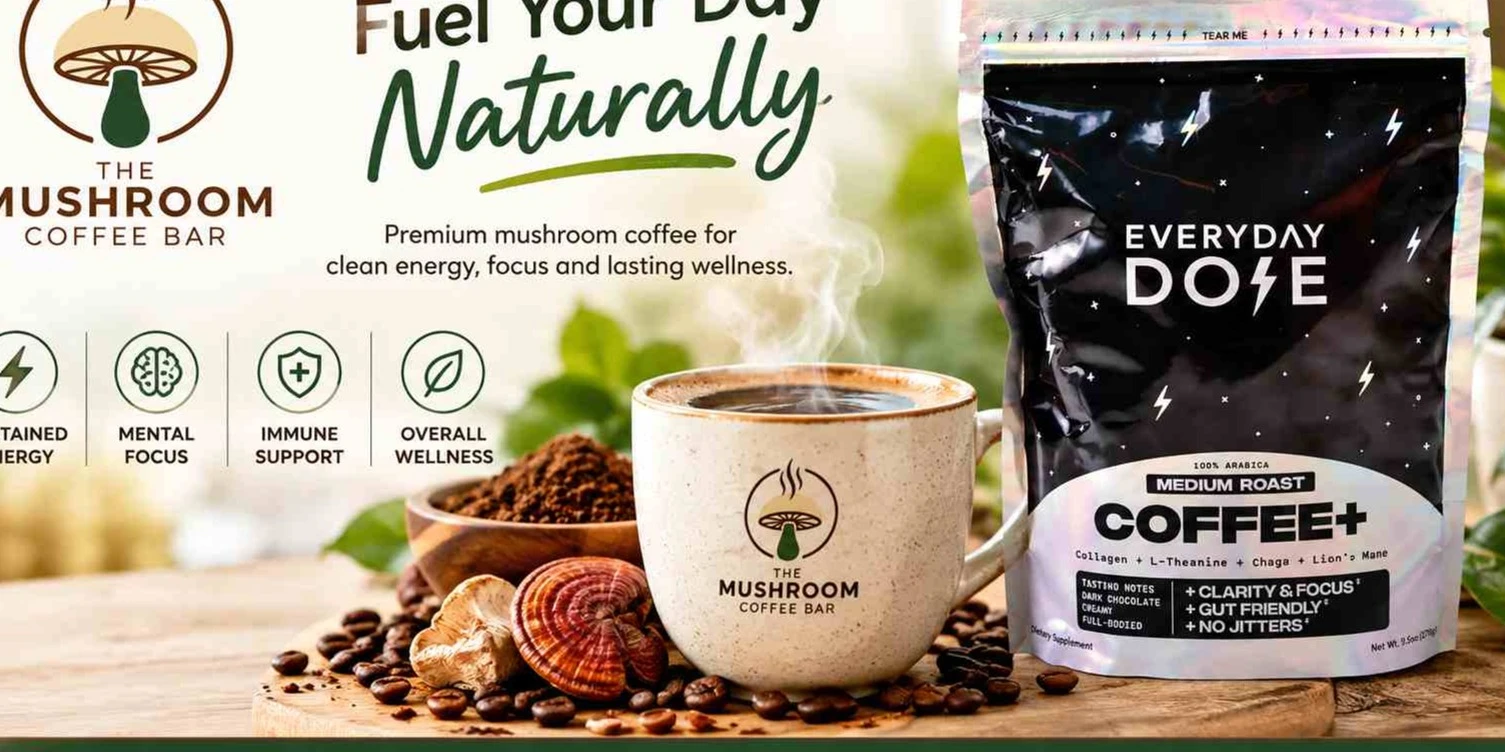
The smartest approach is to keep expectations realistic. Coffee's caffeine can provide noticeable alertness, while the potential benefits of functional mushrooms are an evolving area of research. Look for transparent labels, sensible claims, clearly identified ingredients, and a product that fits your personal preferences.If you're ready to explore mushroom coffee, compare the available blends at The Mushroom Coffee Bar, consider caffeinated and decaf options, and choose a formulation that suits your everyday routine.

Hi, I’m Freya Parker, an automotive expert based in Melbourne. I specialise in helping people navigate the car selling process with confidence and ease. From valuing your vehicle to understanding market trends, I provide practical tips and honest advice to help you get the best possible price. My goal is to make selling your car simple, stress-free, and rewarding no confusion, just clear guidance and results.
Packaging today is not only about holding a product. It also quietly speaks for the brand. Many smal
12 August 2026
Packing things cleanly and safely matters more than it looks at first. People use different pouches
12 August 2026
Food packaging has become part of daily life in many small and large setups. From home kitchens to s
12 August 2026
Be the first to share your thoughts
No comments yet. Be the first to comment!
Share your thoughts and join the discussion below.