
.webp)
* All product/brand names, logos, and trademarks are property of their respective owners.
Rubber strips are one of those unglamorous materials that quietly hold buildings, vehicles and machinery together. Tucked into door frames, wrapped around pipework, fitted beneath equipment or pressed into window casements, they prevent draughts, keep out water, cushion impacts and stop vibration from travelling through a structure. For something so simple in appearance, rubber strips play a surprisingly important role in the performance and longevity of countless projects across construction, manufacturing, automotive work and everyday home improvement.
Yet not all rubber strips are the same, and choosing the wrong one is a common and costly mistake. The material, density, thickness, and backing all affect how well a strip performs in a given environment. This guide explains what rubber strips are, the main types available, and how to select the right one for your particular application.
At their core, rubber strips are lengths of flexible rubber material, usually supplied in rolls or pre-cut lengths, used to seal, cushion, or protect. Their flexibility allows them to fill gaps and conform to uneven or moving surfaces in ways that rigid materials cannot.
Typical functions include:
Because rubber strips are used in such a wide variety of settings, the “right” strip by https://www.mafson.co.uk/ depends entirely on the conditions it will face.
Rubber strips are produced from several different base materials, each with its own strengths. Choosing the correct one depends on exposure to weather, UV light, oils, chemicals, moisture, and temperature extremes.
Neoprene is a versatile, general-purpose rubber known for good resistance to weathering, ozone, and moderate oil exposure. It performs reliably across a fairly wide temperature range, making neoprene rubber strips a common choice for outdoor sealing, gaskets, and general industrial use where all-round durability is needed rather than resistance to one specific hazard.
EPDM (ethylene propylene diene monomer) is particularly well suited to outdoor and weather-exposed applications. It offers strong resistance to UV radiation, ozone, and general weathering, which is why EPDM rubber strips are widely used for external door and window seals, roofing details, and other applications where long-term exposure to sunlight and rain is a factor.
Silicone stands out for its performance across a broad temperature range, tolerating both higher heat and colder conditions better than many general-purpose rubbers. Silicone rubber strips are often chosen for applications involving heat exposure, such as sealing around ovens, enclosures, or equipment that generates warmth, as well as settings where flexibility in cold conditions matters.
Nitrile rubber is valued primarily for its resistance to oils, fuels, and certain chemicals. This makes nitrile rubber strips a practical choice in workshops, automotive settings, and manufacturing environments where the strip may come into contact with lubricants, hydraulic fluids, or petroleum-based substances.
Beyond material type, rubber strips are also available in solid and sponge (cellular) constructions, and the difference significantly affects performance.
Sponge rubber strips contain small air cells throughout the material, giving them a softer, more compressible structure. This makes them well suited to applications requiring cushioning, gap-filling across uneven surfaces, or vibration dampening, since the cellular structure compresses to absorb movement and irregularities rather than resisting them.
Many rubber strips are available with a self-adhesive backing, which can make installation considerably simpler. Rather than requiring mechanical fixings, adhesives or specialist tools, self-adhesive rubber strips can be cut to length and pressed directly onto a clean, properly prepared surface.
This is particularly useful for:
It's worth noting that adhesive performance depends heavily on proper surface preparation — a point covered further below.
Rubber strips appear across a wide range of industries and everyday settings:
For UK customers looking to compare options across these categories, suppliers such as Mafson LTD offer a range of rubber strips in various materials, sizes and specifications, allowing buyers to match a product to their specific application rather than settling for a generic option.
When selecting a rubber strip, it helps to work through the following considerations systematically:
| Factor | What to Consider |
|---|---|
| Material | Neoprene, EPDM, silicone, or nitrile, based on the exposure conditions |
| Width and thickness | Matched to the gap or surface being sealed or protected |
| Hardness (durometer) | Firmer rubber for structural sealing, softer rubber for cushioning |
| Temperature range | Particularly important for outdoor, industrial or heat-exposed settings |
| Water resistance | Essential for external doors, windows and marine applications |
| UV and weather resistance | Important for anything exposed to prolonged sunlight |
| Oil and chemical resistance | Relevant in workshops, garages and manufacturing settings |
| Solid or sponge construction | Depending on whether firmness or compression is needed |
| Adhesive or non-adhesive backing | Based on installation method and long-term durability requirements |
Reviewing this list before purchasing helps you avoid a strip that looks correct on paper but underperforms once installed.
This depends on the material, the adhesive quality, surface preparation, and the conditions the strip is exposed to. A strip fitted to a clean, dry, properly prepared surface will generally adhere far better and last longer than one applied over dust, grease or moisture. Exposure to direct sunlight, extreme temperatures, or repeated flexing can also shorten working life.
Both are commonly used for outdoor and weather-exposed sealing, but they have slightly different strengths. Neoprene offers reliable all-round performance, including moderate resistance to oils, while EPDM is particularly well suited to prolonged UV and weather exposure. The better choice depends on which specific conditions the strip will face.
Generally, yes, as long as the surface is clean, dry, and free of loose debris, rust, or old adhesive residue. Adhesive-backed strips rely on good surface contact, so preparation matters more than the material of the surface itself.
Sponge rubber can be used outdoors, but the right material matters more than the construction type. A sponge rubber strip made from a weather-resistant material such as EPDM can perform well externally, whereas a general-purpose sponge rubber may be less suited to prolonged sun and rain exposure.
Rubber strips may seem like a minor detail in a larger project, but the right choice genuinely affects sealing performance, durability, and reliability over time. By considering material type, construction (solid or sponge), backing method, and the specific environmental demands of the application, buyers can select a strip that performs as intended rather than one that simply looks right at the point of purchase.
Whether the task is weatherproofing a home, sealing industrial equipment, or protecting surfaces from wear, taking a considered approach to rubber strip selection pays off in the long run.

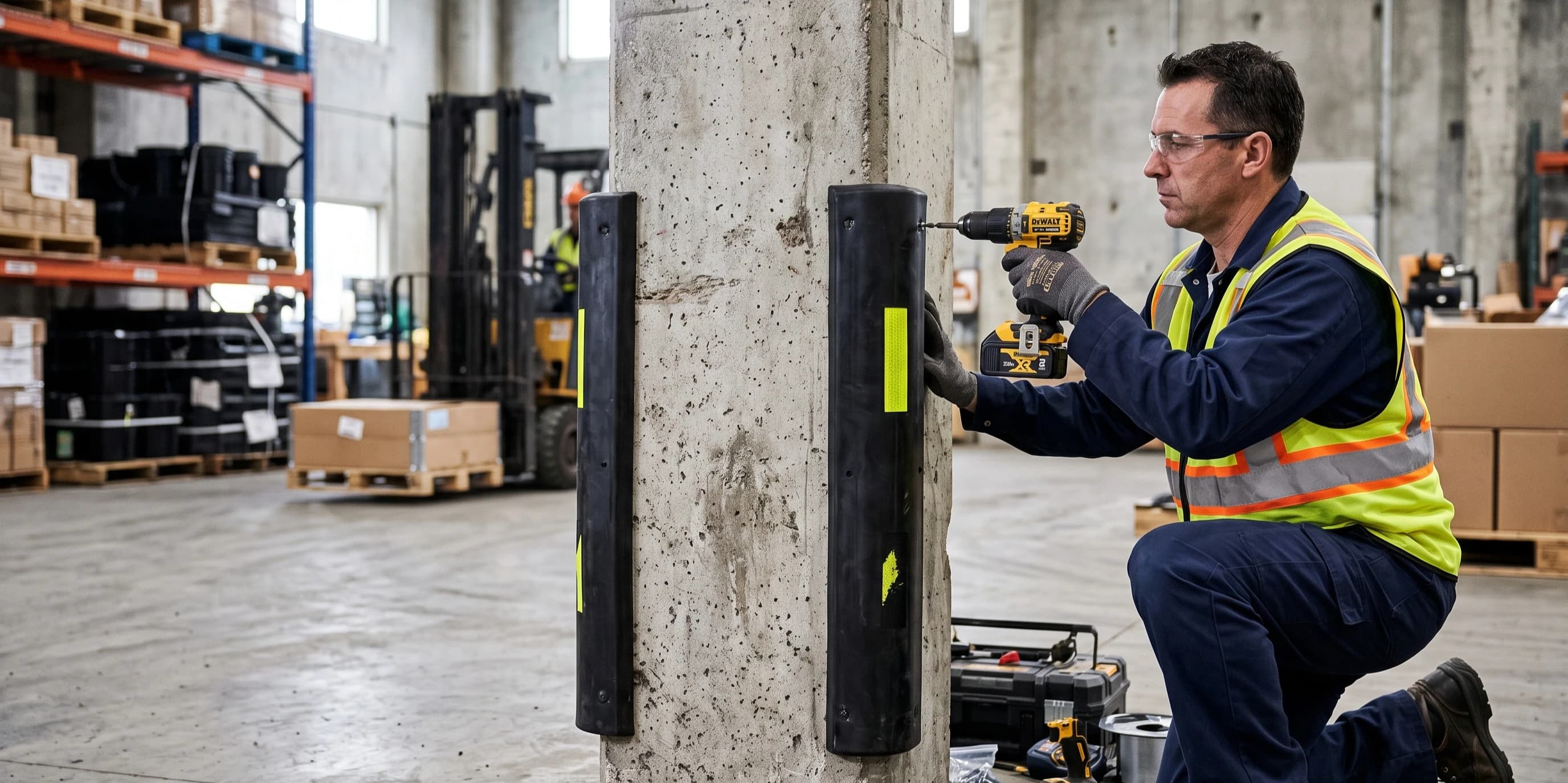
Anyone responsible for running a warehouse, factory or busy commercial site will be familiar with a
15 September 2026
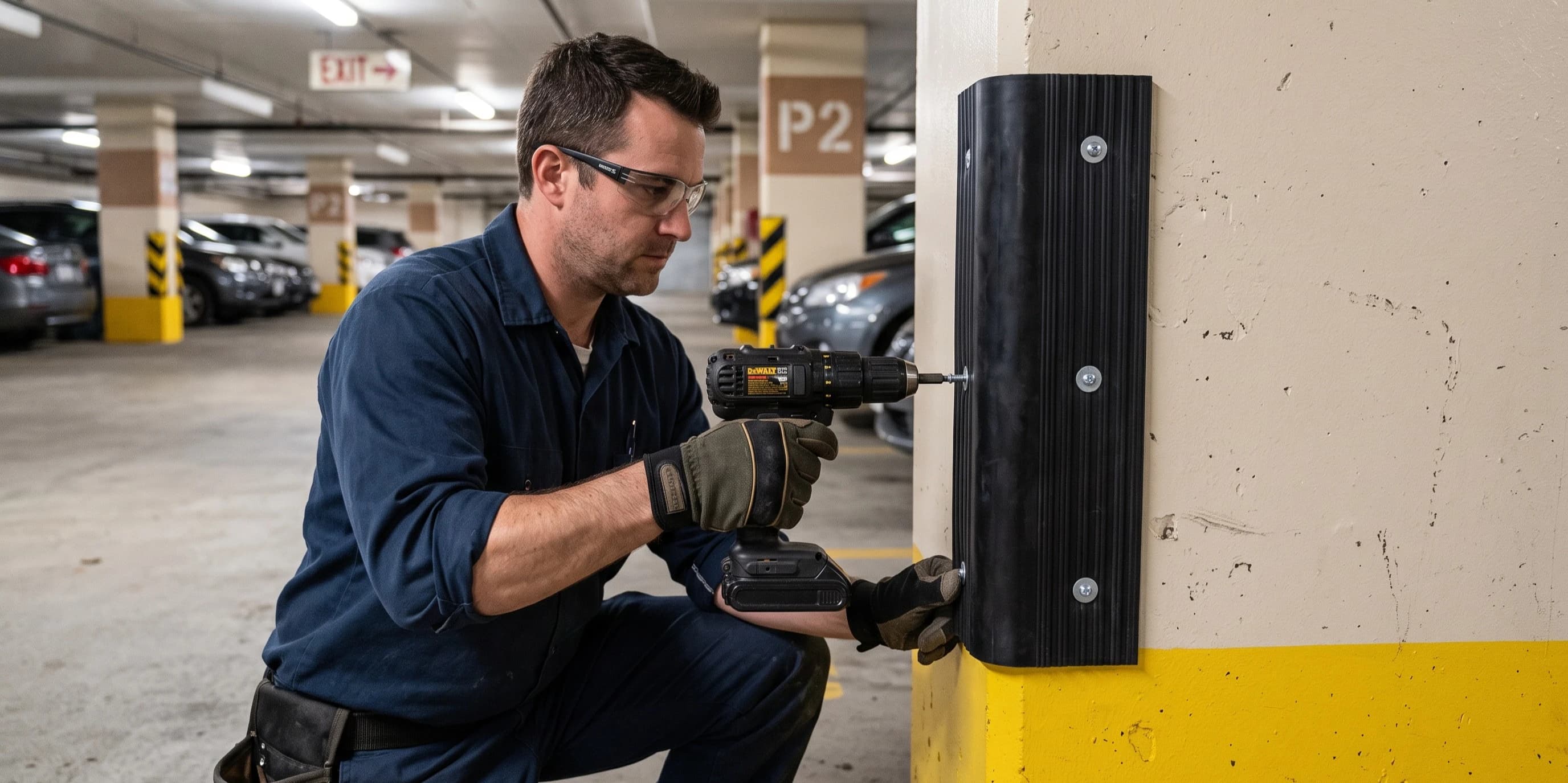
Walls, columns and corners in warehouses, loading bays and car parking take a battering that most ot
14 September 2026
Stair edge protection is one of those details that's easy to overlook until something goes wrong &md
10 September 2026
Be the first to share your thoughts
No comments yet. Be the first to comment!
Share your thoughts and join the discussion below.
.webp&w=3840&q=75)

.webp&w=3840&q=75)
%20(1).webp&w=3840&q=75)
.webp&w=3840&q=75)

.webp&w=3840&q=75)