
* All product/brand names, logos, and trademarks are property of their respective owners.
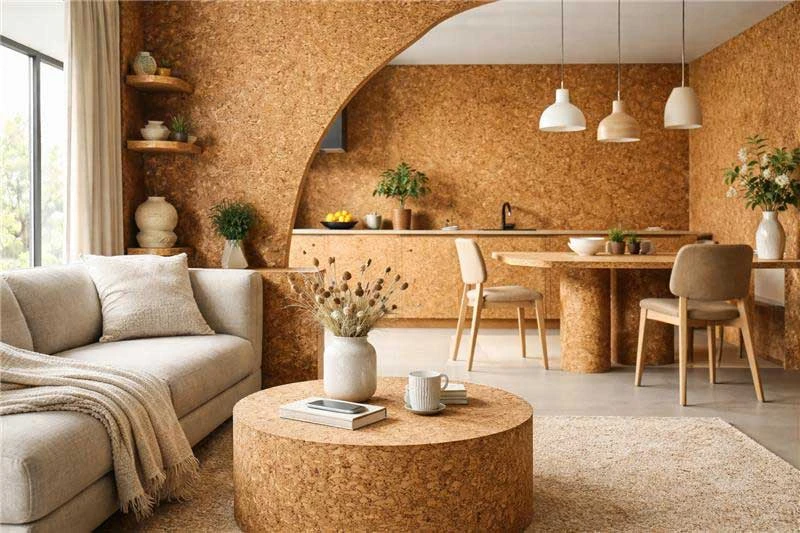
Cork is no longer just a material you pin notes on or see hidden beneath your floors — it’s officially having a design moment. With sustainability driving modern interior trends, more designers are turning to cork as a stylish, eco-conscious material that brings both form and function to contemporary spaces.
Warm, natural, and surprisingly versatile, natural cork is showing up in unexpected ways across homes and commercial interiors. From sleek wall panels to soundproof ceilings and even custom furniture pieces, cork’s unique texture and acoustic qualities make it a standout choice for the modern aesthetic.
But it’s not just about looks — cork flooring offers a powerful combination of benefits: it’s renewable, durable, thermally insulating, and naturally hypoallergenic. It also lends an organic touch to spaces dominated by clean lines and minimalism, helping soften the mood and improve acoustics all at once.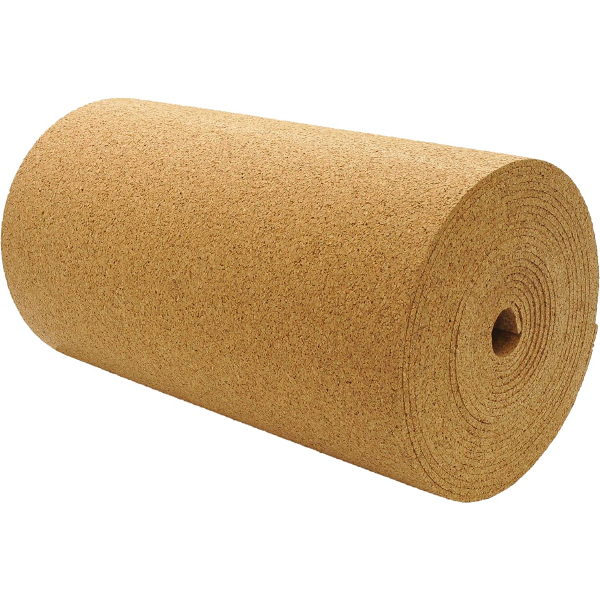
Sustainability is no longer just a buzzword — it’s become a defining factor in how homes and commercial spaces are designed. Cork bark of cork oak trees without cutting them down, making it a renewable and environmentally friendly choice. The harvesting process can be repeated every 9–12 years, and cork trees can live for more than 200 years, continuously giving back to the environment.
Designers who prioritize green living love cork not just for its low carbon footprint but also for its recyclability and biodegradability. Whether used in flooring, walls, or furniture, cork aligns with the growing demand for materials that are kind to the planet and healthy for the home.
Cork’s cellular structure contains millions of tiny air pockets, giving it impressive sound and thermal insulation qualities. In open-concept homes and busy commercial environments, cork helps absorb ambient noise, creating quieter and more peaceful spaces. It's also ideal for temperature control, keeping rooms cooler in summer and warmer in winter.
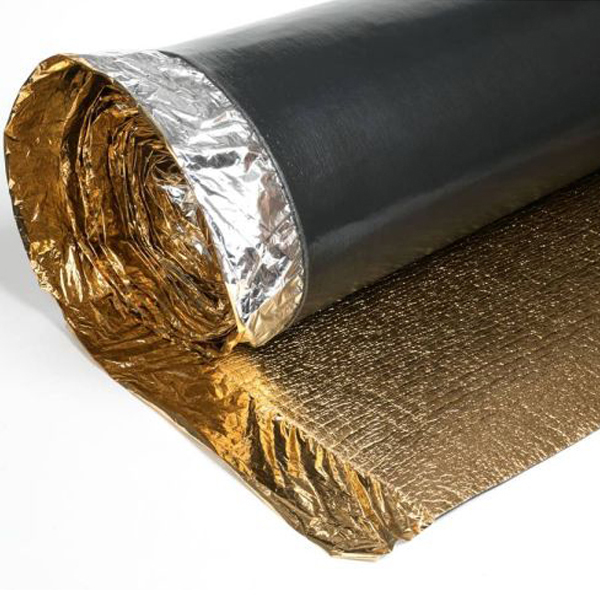
That’s why many homeowners and builders choose cork-based underlays beneath flooring surfaces. If you're seeking an effective sound-dampening layer for your project, check out options in the Acoustic Underlay category — they're a smart investment for both performance and comfort.
Visually, cork adds a soft, natural texture that brings warmth into minimalist or industrial interiors. It blends beautifully with other materials like concrete, glass, or metal — softening hard edges and adding visual interest. Available in various tones and finishes, cork can be customized to suit both bold and neutral design palettes.
Designers appreciate its tactile appeal — it’s one of the few materials that looks great and feels comforting underfoot or on the wall. Whether you're designing a cozy home office or a sleek kitchen, cork can elevate the mood without overpowering the overall aesthetic.
Gone are the days of flat, lifeless walls. Designers are now using cork panels to create stunning statement walls that bring texture and warmth into living rooms and bedrooms. Whether in large tiles or seamless sheets, cork adds a rich, organic look that softens the space and improves acoustics at the same time.
It's a great choice for homes embracing biophilic or natural design elements.
Cork flooring offers a smooth, cushioned surface that complements minimalist interiors beautifully. Its natural muted tones pair effortlessly with neutral color palettes, and it’s warm underfoot — ideal for bedrooms, home offices, or children’s rooms.
Thanks to its durability and water-resistant qualities, it's also making its way into kitchens and entryways.
One of the more unconventional uses of cork is in ceilings. Whether in residential lofts or restaurants, cork ceiling panels are gaining popularity for their ability to reduce echo and noise in open spaces.
They also add depth and a soft contrast to flat, painted surfaces — a clever move for interiors that need both function and flair.
Cork’s ability to resist mold and mildew makes it a smart choice for damp-prone areas like kitchens. Designers are using cork as backsplash accents, drawer liners, or even in cabinetry inserts.
It's also a popular choice for dining areas, where it doubles as both sound control and a warm, welcoming material.
Cork isn’t just for surfaces — it’s being shaped into modern furniture and lighting elements too. Think pendant lights, stools, benches, or side tables. Lightweight yet sturdy, cork can be molded into various forms that lend a sculptural touch to a space.
Plus, it adds a tactile and visual contrast when paired with wood or metal frames.
With the rise of open-plan workspaces and hybrid offices, cork has found a place in modern commercial design. It's used in partitions, acoustic panels, and collaborative work surfaces — all while contributing to LEED certifications and eco-friendly building goals.
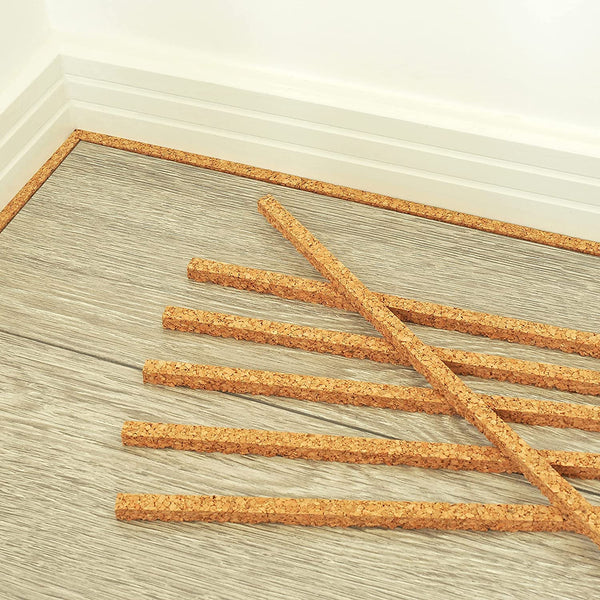
Cork is also a preferred material for expansion joints in large flooring or tiling applications. Its natural flexibility and durability make it ideal for absorbing structural movement and preventing cracks in high-traffic environments.
Designers and architects often turn to trusted sources like https://www.corkrolls.co.uk/ to source materials that balance sustainability with style and functionality.
Designers are taking the humble cork board to new heights — using geometric patterns, colored cork tiles, or entire cork-clad walls for functional art. These installations serve dual purposes: a spot for reminders or inspiration, and a textured design feature.
Perfect for creative studios, home offices, or even entryways.
Cork plays well with others — especially natural elements like bamboo, jute, rattan, and reclaimed wood. Designers are mixing cork with these materials to create calming, organic environments that align with wellness-centered design trends.
This pairing often appears in spa bathrooms, reading nooks, or eco-friendly home libraries.
Cork has officially stepped out of the shadows and into the spotlight of modern interior design. Its eco-friendly credentials, combined with natural warmth, acoustic benefits, and surprising versatility, make it a top choice for designers looking to create thoughtful, sustainable spaces.
Whether used on walls, ceilings, floors, or even in furniture, natural cork flooring proves that style and sustainability can go hand in hand. From cozy homes to cutting-edge commercial interiors, cork offers endless design potential — all while quietly improving the way we experience space.
As interior design continues to embrace wellness, texture, and conscious material choices, cork is more than just a trend — it’s a timeless, responsible choice ready to be reinvented in creative new ways.

We specializes in high-quality cork sheets, rolls, and insulation solutions for industrial, commercial, and DIY applications. We focus on providing durable, sustainable, and easy-to-install cork products to meet diverse material and insulation needs.
When people plan a renovation, most of the excitement goes toward the big decisions: flooring, paint
17 September 2026
There's a particular kind of room that looks "finished" without you being able to say exactly why. O
7 September 2026
Every trade counter and builders' merchant has a section that's slightly harder to categorise than t
3 September 2026
Be the first to share your thoughts
No comments yet. Be the first to comment!
Share your thoughts and join the discussion below.
%20(1).webp&w=3840&q=75)


.webp&w=3840&q=75)
.webp&w=3840&q=75)


.webp&w=3840&q=75)

.webp&w=3840&q=75)